
Gardening is a strange pleasure. In Walden, Henry David Thoreau describes his experience in the bean field as a “small Herculean labor” and a long battle, the Trojans taking the form of worms, weeds, and woodchucks. For a weapon, he recounts leveling his enemy with his long-handled hoe, turning dirt and dust over the weeds …
The Things We Carry
I had just enrolled in the graduate program at The Ohio State University when I read “How to Tell a True War Story” for the first time. The author, Tim O’Brien, was unknown to me, but I found the story, included in the book I’d be using to teach freshman composition, both fascinating and challenging. …
Becoming a Transparent Eyeball
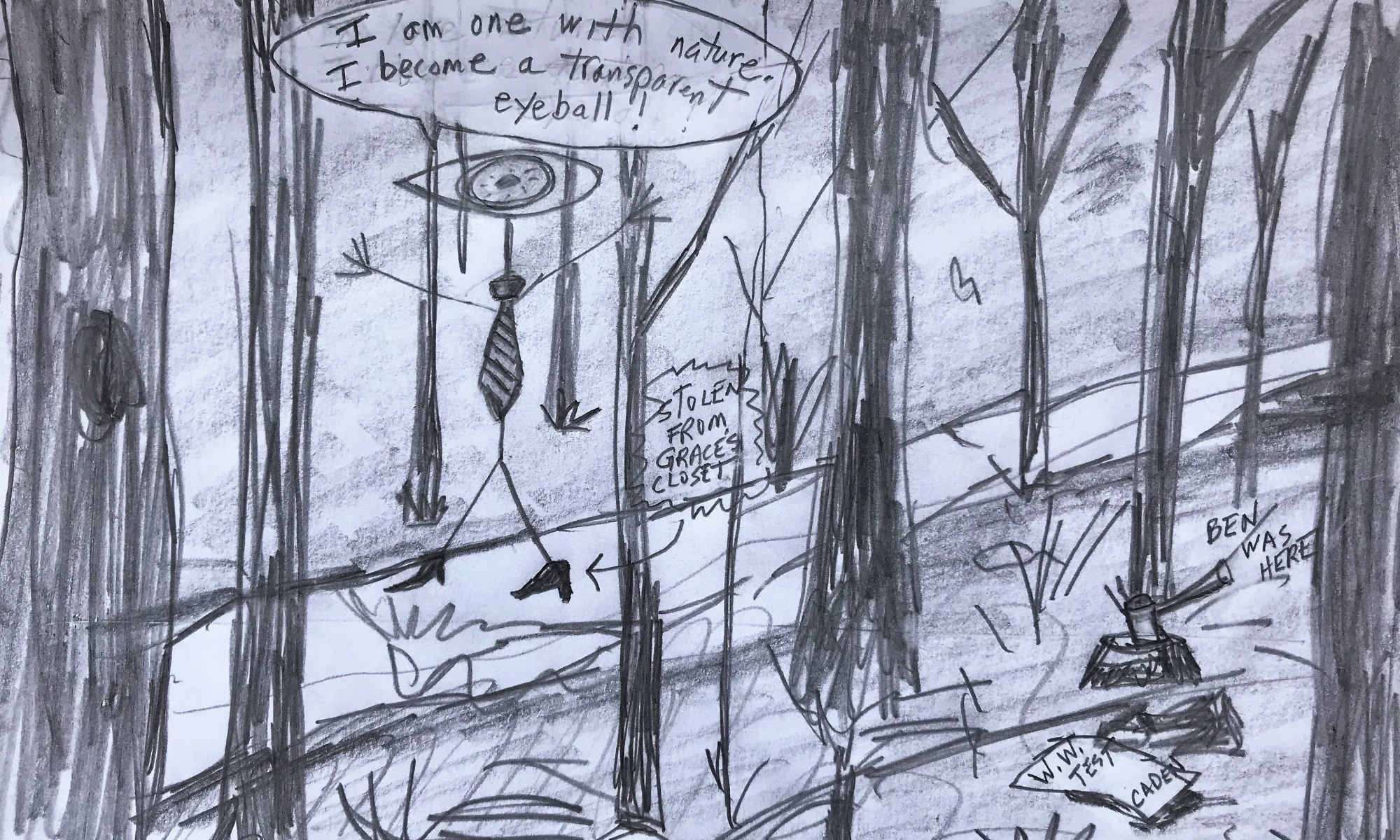
Often a good example brings about fresh understanding. As I wrapped up my teaching of Transcendentalism this year, I had a chance to watch Free Solo, which recently won an Oscar for best documentary. It was incredible, in the very real sense of the word, but I also found that I had a new reference …
From the Raven to the Muskrat
A few weeks ago, I found myself sitting at a desk in the back of my classroom. My students sat quietly, each working to complete the test before them, and it was one of those rare moments where I could just relax, observing everything around me. I took a deep breath. I’m a high school …
I Would Fish Deeper
It’s almost that time again when I teach Thoreau’s Walden. For me, it's become a perennial favorite, and as we all grow more and more connected to our phones and other digital devices, reading some Henry David Thoreau may serve as an antidote. At least that's what I hope for my students. I suffer no illusions, however, …

